
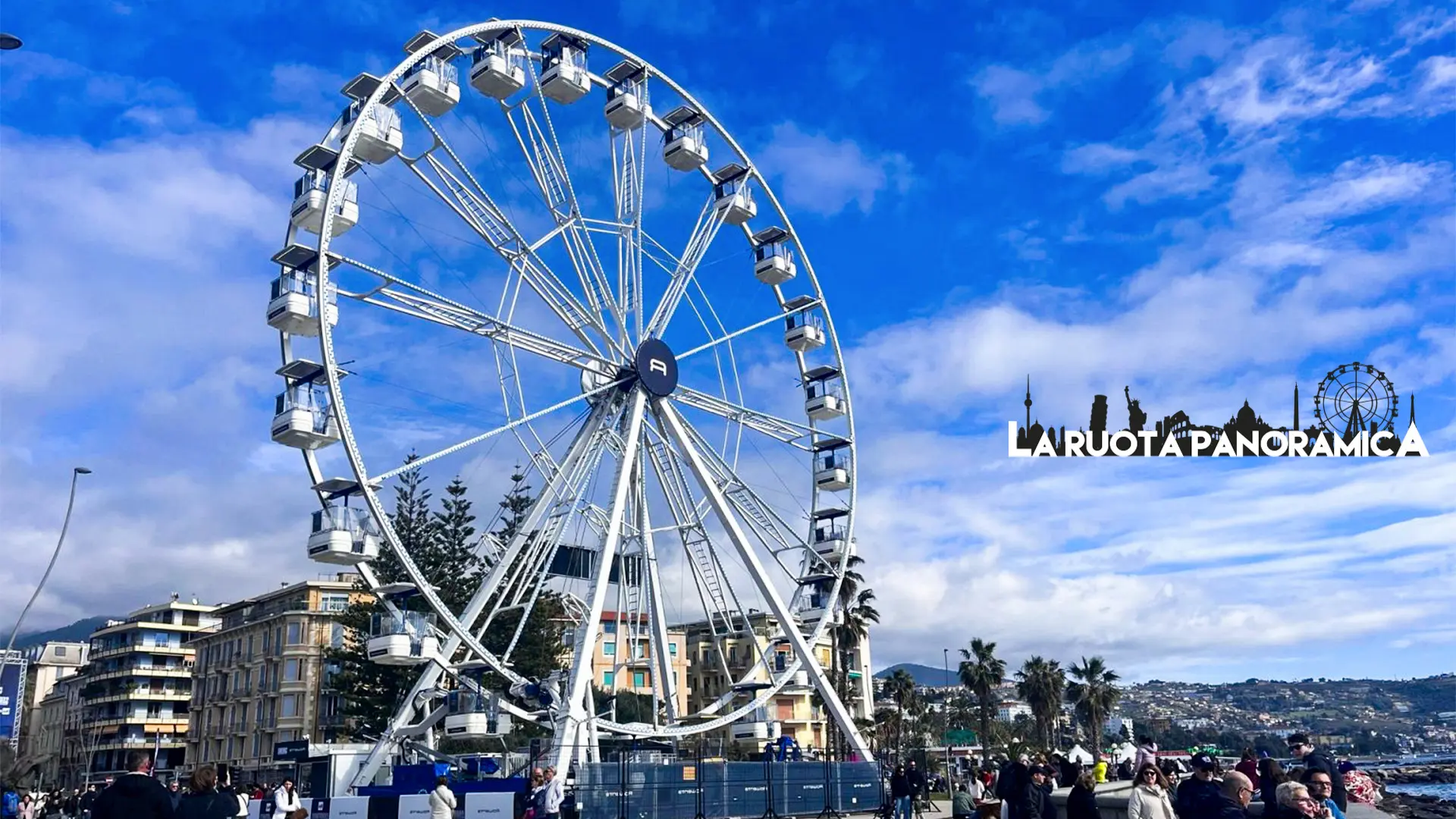
THE FERRARI WHEEL
Convey the spectacular nature and historical authority of large Ferris wheels through immersive design, integrating technical specifications and logistical data for institutional decision-makers.
THE PROJECT
For the Moruzzi Group, we developed a vertical and strategic web presence, designed to consolidate the brand's positioning as a leader in the installation of large attractions for town squares, festivals, and international events.
The site's architecture balances the strong visual impact of the images with a rigorous organization of the engineering data, making technical checks immediate for municipal technicians and B2B partners.

Verified Results
Full-screen interface to enhance the verticality and grandeur of the installations.
Zero Barriers
Between immersive visual aesthetics and the availability of land and construction site requirements
3
Ferris Wheels enhanced with immersive galleries, size specifications and assembly details.
+80
Clarity and speed in consulting specifications for outfitting tenders.
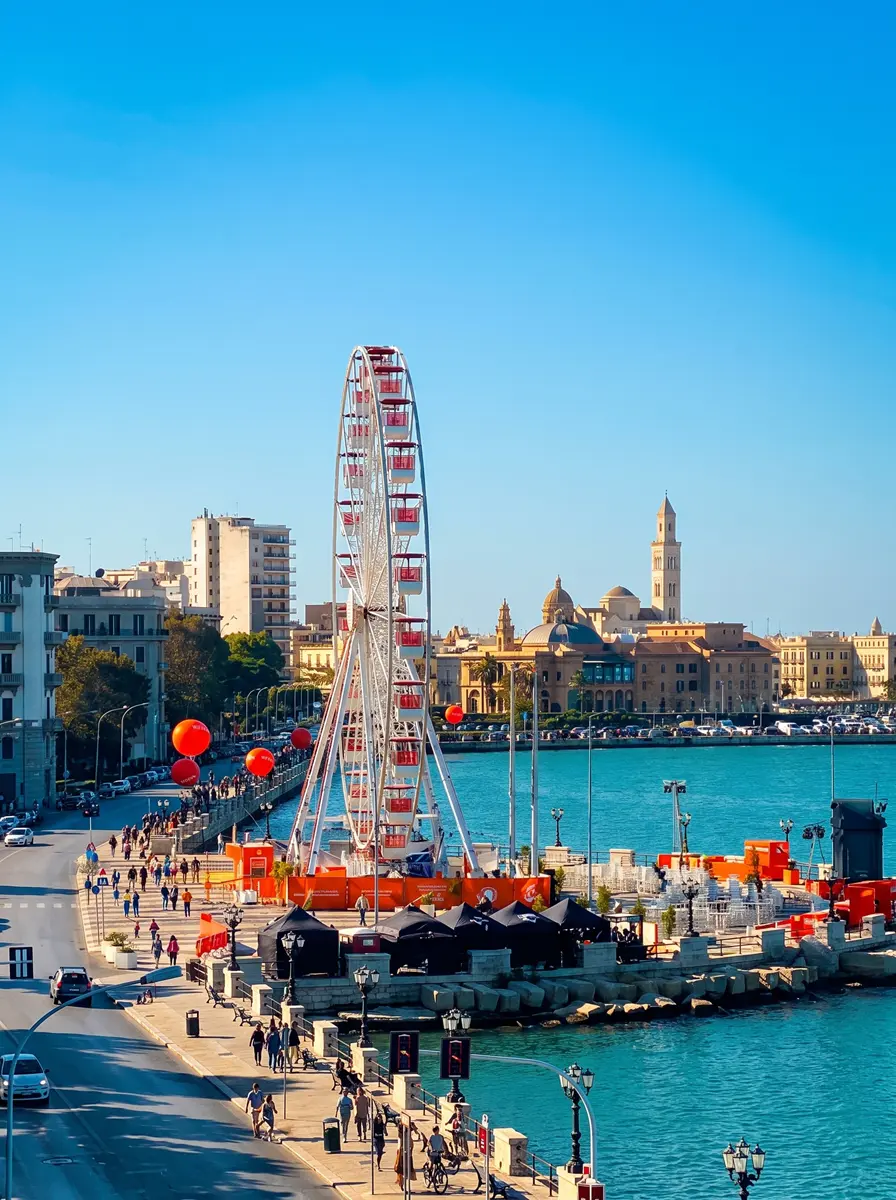
The union between entertainment and engineering.
The Pillars of the Project
Institutional Brand Awareness
An authoritative business card to consolidate the historicity of the Moruzzi brand with local authorities and B2B clients.
Immersive Visual Design
A modern and dynamic layout that gives maximum scope to the photographs, conveying the magic of the attractions from the very first seconds.
UX for Technical Decision Makers
Information architecture designed to find soil, footprint, load-bearing capacity, and certification requirements in just a few clicks.
Smooth & Mobile Navigation
Responsive optimization to ensure quick consultations from construction sites, tablets or smartphones without losing detail.
Visual Spectacularity and Millimetric Precision
From the excitement experienced by the public to the logistical requirements for setting up the event in the square, we've created a web experience that captivates the general public while providing technicians and buyers with all the guarantees of reliability and compliance the industry demands.
Color palette
Evocative night atmospheres, light contrasts inspired by the LED lights of the attractions and an elegant, dark interface, designed to highlight the chromatic details of the Ferris wheels and ensure impeccable readability.
Medium blue
#2137c2
Bright Red
#E62D31
White
#ffffff