
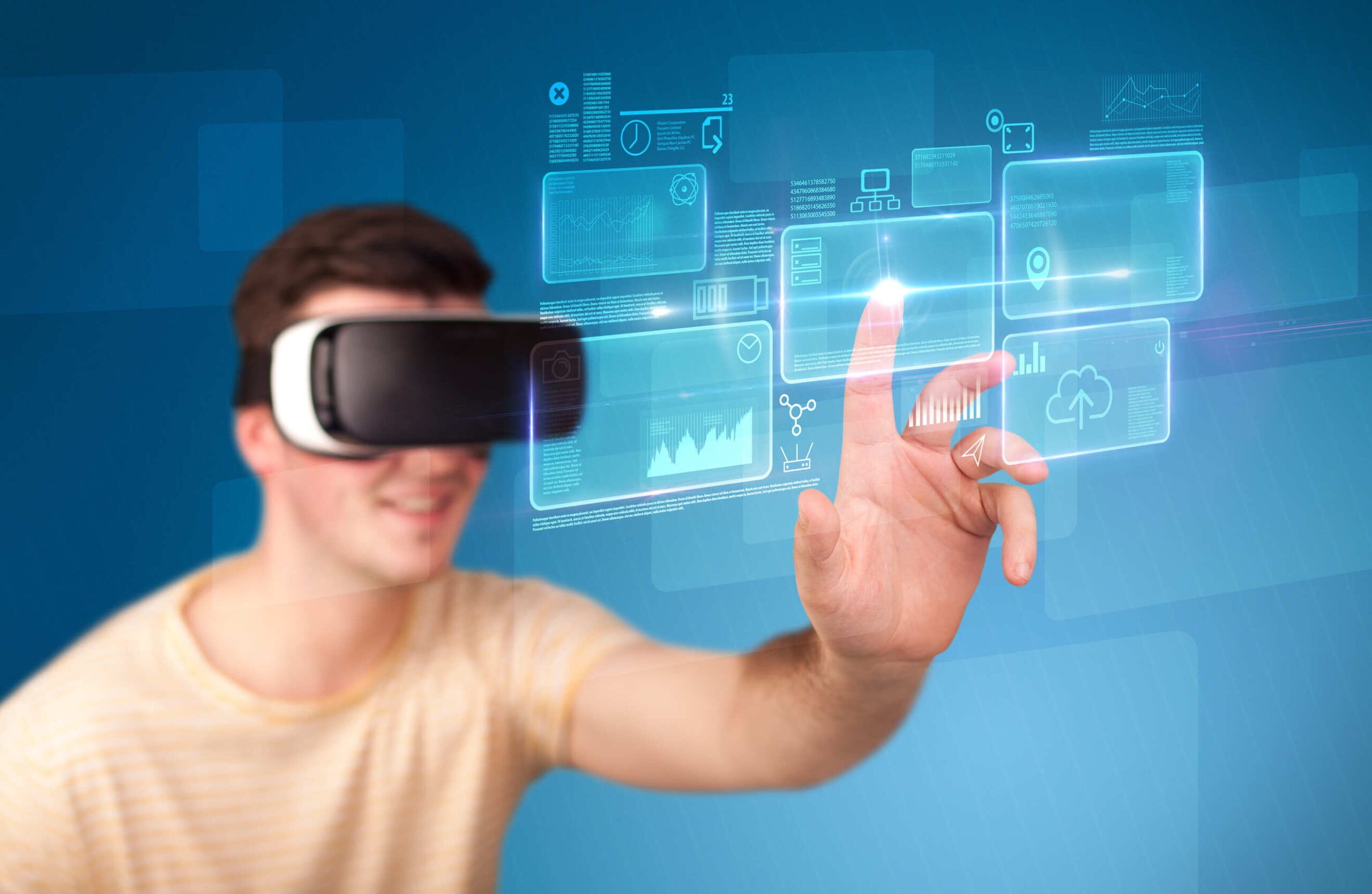
E-commerce is no longer just a digital shop window.
In 2026, users don't just want to see a product: they want to try it, explore it, and interact with it before buying.
This is where they come in. Augmented Reality (AR) is Virtual Reality (VR), technologies that are radically transforming the online shopping experience.
Immersive experiences are no longer futuristic experiments.
They are concrete tools for increasing conversions, reducing returns, and improving the digital customer journey.
What is augmented reality in e-commerce?
There Augmented Reality (AR) allows you to overlay digital elements on the real world via smartphones, tablets or dedicated devices.
Applied to e-commerce it means:
-
View a piece of furniture in your living room before purchasing it
-
Virtually try on glasses, makeup or accessories
-
See a full-scale product in your environment
This technology dramatically reduces user uncertainty.
When customers can "see" the product in its context, their level of trust increases. And with it, the likelihood of conversion increases.
Virtual reality and immersive showrooms
There Virtual Reality (VR) takes the experience to the next level.
It's no longer just about displaying an object:
you enter a three-dimensional digital environment, a virtual showroom where the user can:
-
Explore collections
-
Interact with products
-
Personalize items
-
Have an experience similar to a physical store
In the fashion, automotive, furniture, and luxury sectors, VR is becoming a strategic tool for differentiating yourself in an increasingly competitive market.
Why AR and VR improve the digital customer journey
The integration of immersive experiences into e-commerce sites directly impacts three key aspects:
Increase conversion rate
A user who can virtually view or try on a product is more likely to purchase.
Reducing decisional doubt speeds up the process.
Reduction of returns
One of the main problems of e-commerce is post-purchase returns.
Realistic and interactive visualization reduces selection errors related to size, proportions and expectations.
Greater engagement
Immersive experiences increase on-site time, improve interaction, and strengthen the brand's perception of innovation.
In 2026, user experience isn't a plus. It's a competitive factor.
Immersive e-commerce and mobile commerce
The growth of mobile commerce has made AR even more relevant.
Today, most online purchases are made on smartphones.
AR technologies are seamlessly integrated into mobile devices, making the experience immediate and accessible.
A modern e-commerce site must therefore be:
-
Mobile first
-
Optimized for high performance
-
Technologically ready for immersive integrations
Simple graphics optimization is no longer enough.
How to Integrate AR and VR into an E-Commerce Site
Adopting immersive technologies requires a strategic approach.
It's not just about "adding an effect", but about designing an experience that is consistent with the brand and the target.
Key elements include:
-
3D product modeling
-
Mobile-friendly AR API integration
-
Performance optimization to avoid slowdowns
-
UX designed to guide the user through interaction
Technology should enhance the experience, not complicate it.
AR, VR and competitive positioning
Integrating augmented and virtual reality into an e-commerce project means:
-
Differentiate yourself from your competitors
-
Strengthen the brand's innovative positioning
-
Creating a memorable experience
-
Increase the perception of quality
In 2026, competition isn't just about price.
It's all about experience.
The future of e-commerce is experiential
Online shopping is evolving towards a model that is increasingly closer to the physical, but with the advantages of digital:
-
Personalization
-
Immediate accessibility
-
Immersive experience
-
Dynamic interaction
Brands investing now in immersive experiences are building a competitive advantage that will become the market standard in the coming years.
From digital showcase to immersive experience
The transformation of e-commerce in 2026 is clear:
It's not enough to show a product, you have to make it live.
Augmented and virtual reality represent one of the most powerful tools for improving conversions, engagement, and loyalty.
Anyone who designs an e-commerce site today must think of it not only as a sales platform, but as a interactive digital environment.
Want to make your e-commerce more immersive and competitive?
Let's analyze together How to integrate technologies and solutions into your digital project.
Innovation is not a trend.
It's a strategic choice.