
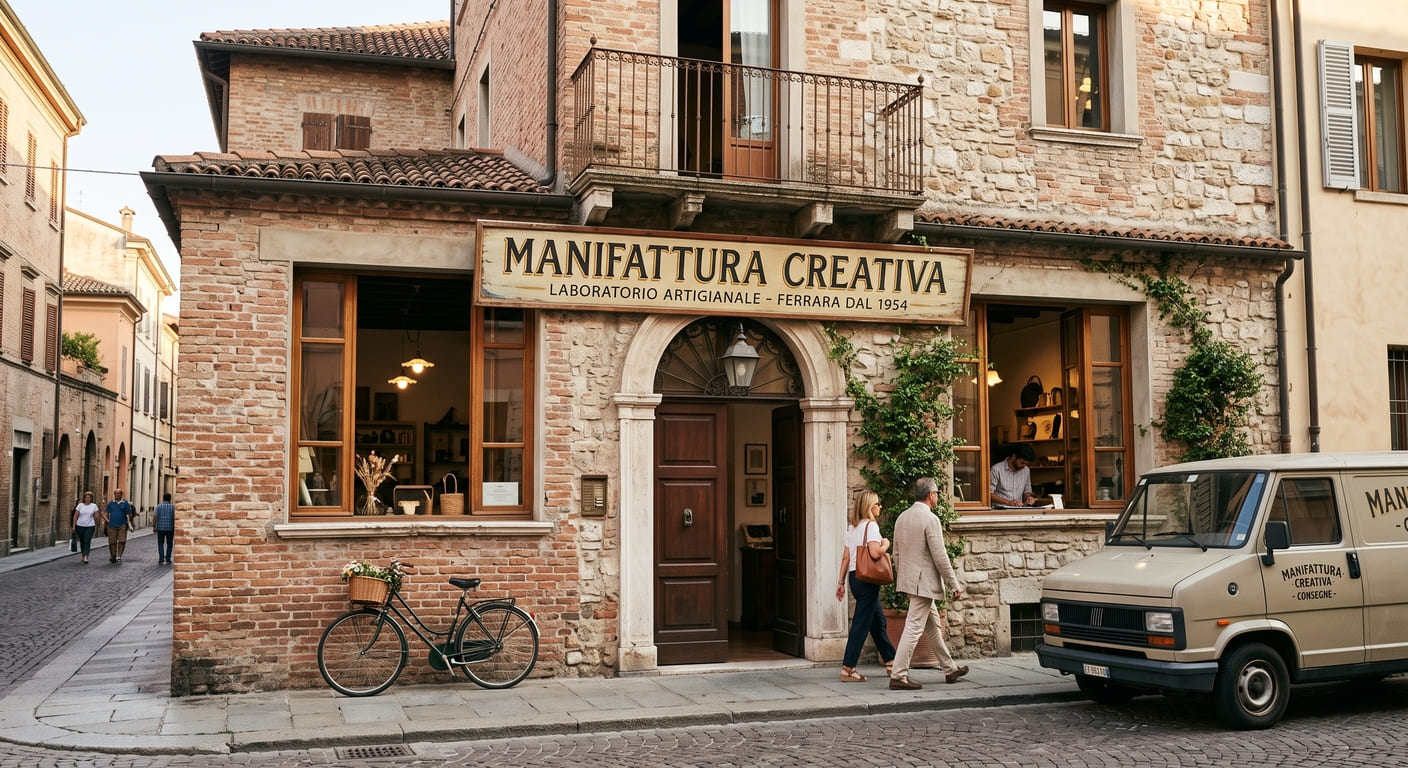
The Plastic Effect: Why AI in Marketing Is Driving Us Away and the Return to "Vintage" Authenticity“
It's all around us. From social media ads to billboards along highways or outside everyday businesses: Artificial Intelligence is now everywhere. Yet, when faced with an image clearly generated by an algorithm, many consumers' instinctive reaction is a clear sense of rejection. We lose the desire to buy.
It's not just a passing sensation, but a documented trend: when users realize that a website or brand uses exclusively AI-generated images, their propensity to purchase plummets and trust wanes. But why is this technology, designed to optimize and amaze, having the opposite effect?
The three pillars of digital distrust
When an artificial image catches our eye, our brain quickly processes a series of warning signals related to how we perceive the brand:
-
The perception of lack of commitment: Marketing has historically been tied to the idea of curation. A photo shoot requires time, resources, people, and attention to detail. When a visitor notices obviously fake visual elements, the implicit message they receive is: “This brand didn't want to invest time and effort to present itself at its best”. And if there is no care in the presentation, the user will suspect that there is no care in the product either.
-
The crisis of authenticity: The human eye is quickly adjusting. Today, over 70% of people can recognize AI-generated content (from deformed fingers to unnatural lighting, to that typical hyper-realistic "patina"). If photos of the team, the product, or the production process look fake, the customer will begin to doubt the actual existence or quality of what they're about to purchase.
-
The paradox of algorithmic advertising: Market research is clear: AI-generated content only really works when not They look like they're made by AI. Their effectiveness lies in maintaining a human, imperfect, and realistic appearance. When the "synthetic" effect strikes at first impact, it generates an almost insurmountable barrier of mistrust.
Instinctive rejection and the loss of the soul
There's a profound psychological element to this rejection. When we look at an AI-generated image, we feel "something is missing." The spontaneity of a glance, the imperfection of a crease in a dress, the natural light that falls unpredictably are missing. This lack of humanity makes us feel detached. We're not looking at reality, but at a statistical simulation of reality.
The Renaissance of “Vintage Marketing”
This visual saturation leads us to a fascinating conclusion: the excess of artificial perfection could be the catalyst for a return to the classical form of communication.
Are we perhaps about to witness the birth of a “vintage marketing”. In a sea of images generated in seconds at zero cost, true photography, authentic corporate reporting, and human imperfection will become the new symbols of luxury and reliability. Showing the dirty and real "behind the scenes," or using models with visible, unretouched defects, will become the most powerful way for a brand to shout to the world: “We are real”.
Artificial Intelligence will continue to evolve, but human trust will remain tied to the tangible. Perhaps the best way to sell in the future will be to demonstrate a commitment to the past. And when you see an ad clearly created with AI, do you feel drawn to the future or do you feel like closing your wallet?