
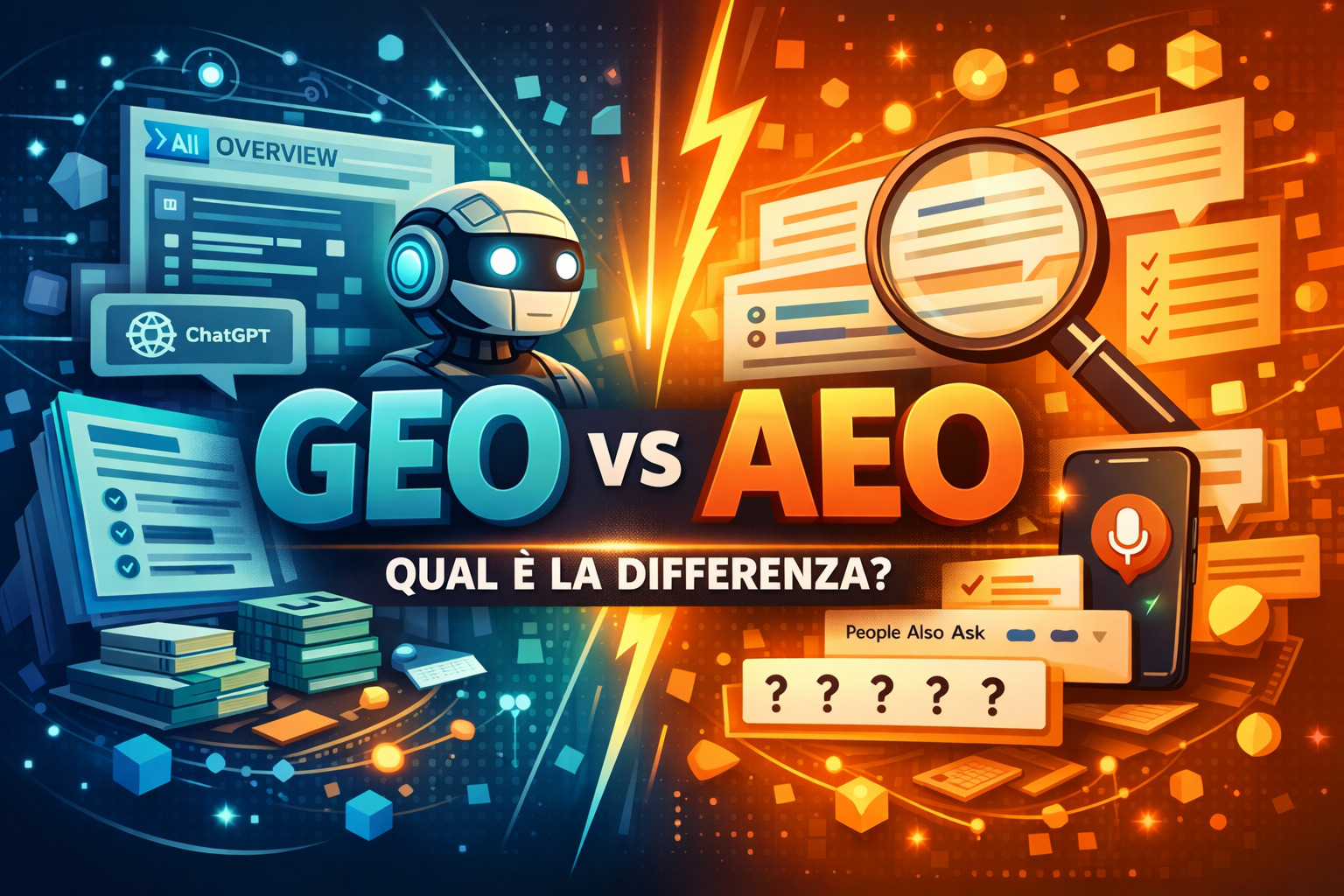
In recent months, those working in SEO and digital marketing have increasingly come across two new acronyms: AEO and GEO.
They look similar. In reality, they're not at all.
AEO (Answer Engine Optimization) helps your content appear as direct answers in search results.
GEO (Generative Engine Optimization) instead works to make your content usable, synthesized, and citable by AI-based search engines.
Understanding the difference isn't just a technical issue: in 2026, it's what distinguishes a visible site from an ignored one.
In this article we see:
What AEO and GEO really are
when to use one, the other, or both
How to integrate them into a modern and sustainable SEO strategy
Key Takeaways
AEO and GEO do not replace traditional SEO, but extend it
AEO aims for quick responses and immediate visibility
GEO builds authority for AI generative results
They serve different purposes and work better together.
In 2026 an effective SEO strategy must include both
What is AEO (Answer Engine Optimization)
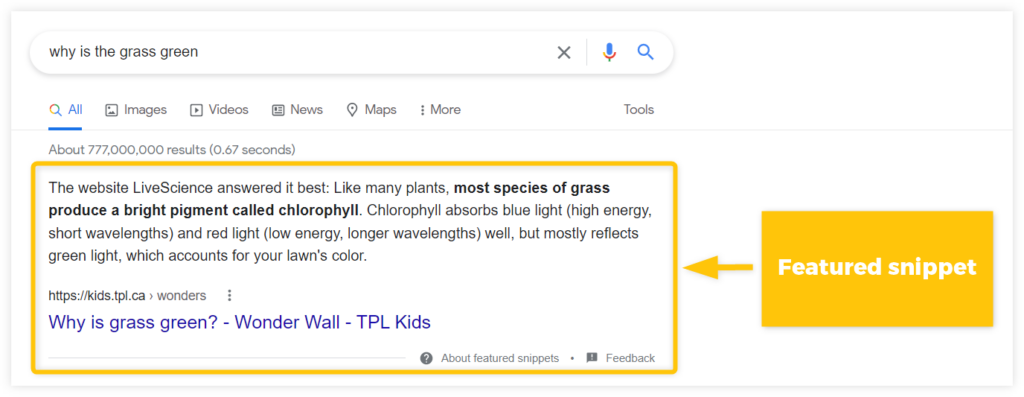
AEO it means Answer Engine Optimization.
It is the set of techniques that allow your content to appear as direct answers in search engines.
Concrete examples:
-
Featured snippet
-
Box “People also ask”
-
Voice responses from digital assistants
-
Results enriched with FAQs or HowTos
Google doesn't just show links anymore: he wants to answer.
This is exactly what AEO is for.
How AEO works
-
Write content based on real questions
-
Use titles that reflect the language of the users
-
Provide answers short, clear and structured
-
Use schema markup (FAQ, HowTo, Q&A)
AEO is particularly effective for:
-
local services
-
price comparisons
-
frequently asked questions
-
support articles
👉 Result: maximum visibility, even without clicking.
What is GEO (Generative Engine Optimization)
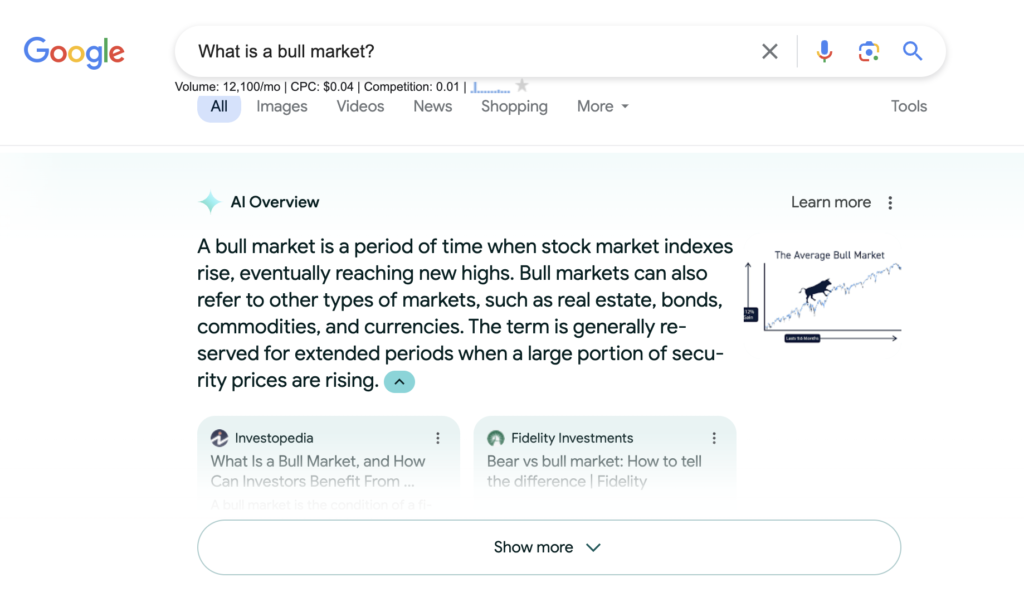
GEO stands for Generative Engine Optimization.
Here we are no longer talking about snippets, but about AI engines That:
-
read more sources
-
summarize the information
-
produce a unique response
-
Often without showing traditional links
With GEO, the goal is not to “position yourself”, but become a source.
What really matters to GEO
-
Contents in-depth and complete
-
Demonstrable Experience (EEAT)
-
Identifiable and competent authors
-
Updated data and reliable sources
-
Clear structure, readable by humans and machines
If your content is superficial or generic, AI will ignore it.
GEO vs. AEO: Key Differences
| AEO | GEO |
|---|---|
| Short answers | In-depth analysis |
| Featured snippet | AI Overviews |
| Direct queries | Complex questions |
| Rigid structure | Context and authority |
| Objective: visibility | Goal: Trust |
AEO = be the answer
GEO = be the source
A modern SEO strategy he doesn't choose, complete.
When to use AEO and when to use GEO
Use AEO if:
-
you want quick results
-
work on FAQs, pricing, services
-
aim for high-intent searches
-
you work in a local or commercial setting
Use GEO if:
-
build authority
-
write guides and evergreen content
-
you deal with complex topics
-
Do you want to be cited by AI?
👉 In practice:
AEO captures attention, GEO builds the brand.
How to Optimize for AEO
AEO Checklist:
-
Titles in application form
-
Answers within 2–4 sentences
-
Bulleted and numbered lists
-
Clean structure
-
FAQ / HowTo Schema
-
Keywords with snippets already active
It's a strategy surgical, but very effective.
How to Optimize for GEO
GEO Checklist:
-
Quality long-form content
-
Real experience and concrete cases
-
Declared and credible author
-
Links to reliable sources
-
Visible periodic updates
The GEO rewards those who writes for people, not for algorithms.
Common Mistakes to Avoid
-
Treat AEO and GEO as alternatives
-
Writing only for engines
-
Don't update content
-
Ignore schema markup
-
Don't track separate results
The real mistake? Don't start.
Conclusion
In 2026, search is no longer just SEO.
-
AEO it makes you win immediate answers
-
GEO makes you relevant in the AI ecosystem
The companies that will grow will be those capable of combine visibility and authority.
👉 In Digife We help companies build advanced SEO strategies, ready for traditional and generative search engines.
If you want to make your site readable by humans and reliable by AI, it's the right time to do it.